

How to introduce Time Management skills in child at early age 4 January 2025
, by LookWhatAGift Admin, 8 min reading time


, by LookWhatAGift Admin, 8 min reading time
Time management is a foundational skill that empowers children to take control of their lives and reach their full potential. By introducing time management techniques early on, parents, caregivers, and educators can equip children with the tools they need to succeed academically, manage responsibilities, and lead fulfilling lives. From instilling a sense of responsibility to fostering self-discipline and reducing stress, the benefits of time management extend far beyond childhood, shaping the adults they become.
Time is perhaps one of the most valuable resources we possess, and learning how to manage it effectively is a skill that can benefit individuals throughout their lives. While time management is often associated with adults and professionals, instilling these skills in children from an early age can set them up for success in various aspects of life. Let's explore the numerous benefits of teaching time management to kids and how it can positively impact their development.
1. Establishing Responsibility:
Introducing time management to children helps them understand the concept of responsibility. By allocating time for different activities such as homework, chores, playtime, and extracurriculars, children learn to prioritize tasks and take ownership of their schedules. This sense of responsibility lays the groundwork for independence and self-reliance as they grow older.
2. Developing Organization Skills:
Effective time management requires organization and planning. Teaching kids to create schedules, use calendars, and break tasks into manageable chunks instills valuable organizational skills. These skills not only help children stay on top of their academic workload but also carry over into other areas of their lives, such as maintaining a tidy living space and managing personal belongings.
3. Improving Academic Performance:
Time management plays a crucial role in academic success. Children who learn to manage their time effectively are better equipped to complete assignments on time, study efficiently, and balance their academic workload with other commitments. As a result, they are more likely to achieve higher grades and develop a deeper understanding of time-sensitive concepts.
4. Fostering Self-Discipline:
Learning to adhere to a schedule and resist procrastination fosters self-discipline in children. By setting specific goals and deadlines for tasks, children develop the discipline needed to stay focused and avoid distractions. This self-discipline extends beyond academics and can positively impact various aspects of their lives, including personal habits, relationships, and extracurricular pursuits.
5. Reducing Stress and Anxiety:
Poor time management can lead to feelings of overwhelm and stress, especially as children juggle multiple responsibilities. By teaching kids how to manage their time effectively, parents and educators can help alleviate stress and anxiety associated with looming deadlines and unfinished tasks. Empowering children with the skills to plan ahead and allocate time wisely promotes a sense of control and confidence in their abilities.
6. Cultivating Healthy Habits:
Time management extends beyond academic and extracurricular activities; it also encompasses self-care and leisure time. Teaching children to prioritize activities that promote physical and mental well-being, such as exercise, relaxation, and socialization, instills lifelong habits of self-care and balance. By striking a healthy balance between work and play, children learn the importance of maintaining overall well-being.
Introducing time management skills to children at an early age is a valuable investment in their future success and well-being. Here are some practical strategies for instilling these skills:
Let's Learn how
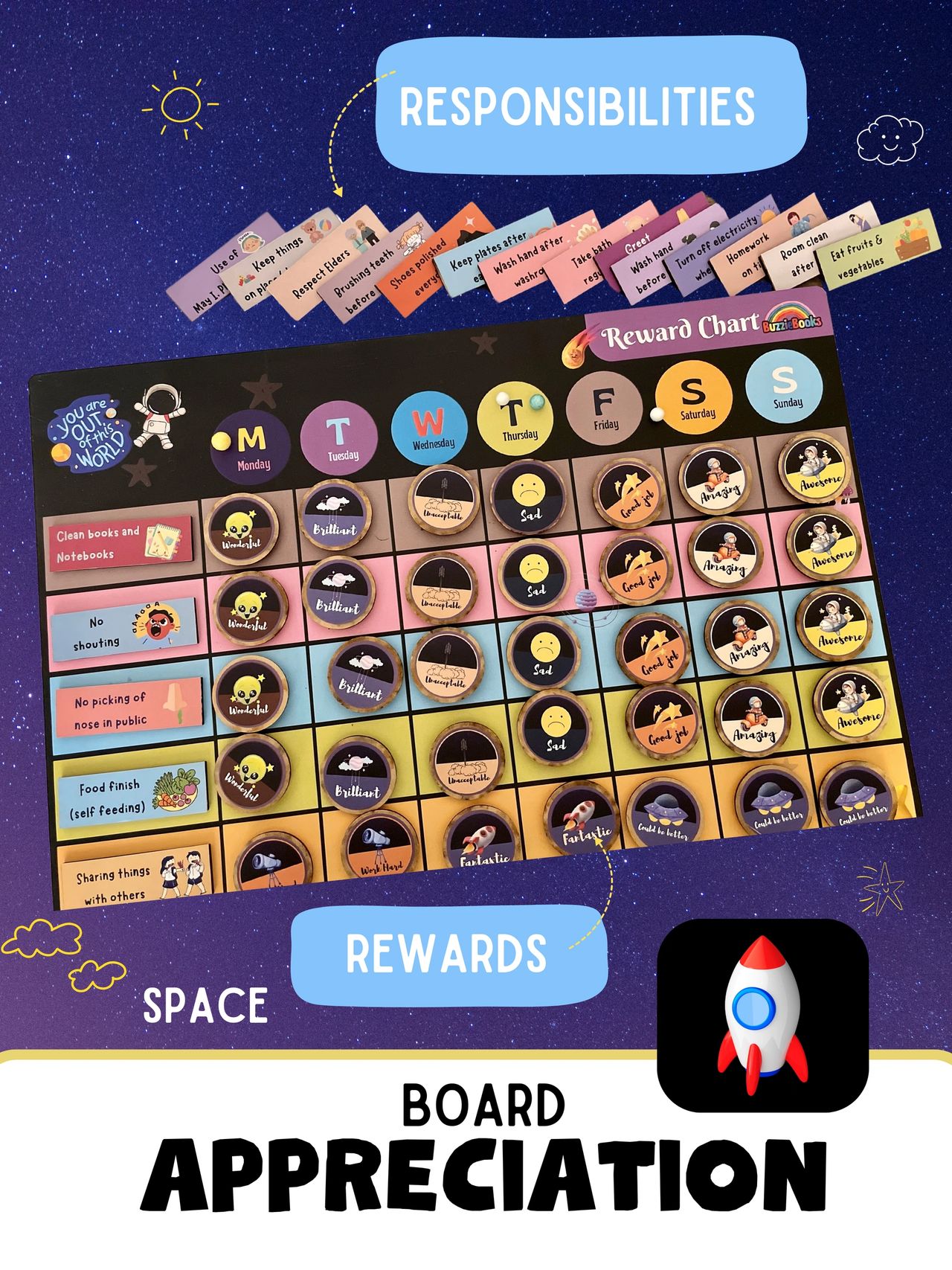



By incorporating these strategies into everyday life, parents, caregivers, and educators can help children develop essential time management skills that will serve them well throughout their lives.