

Brain Development Games (0-6 yrs old)
, by LookWhatAGift Admin, 5 min reading time


, by LookWhatAGift Admin, 5 min reading time
.PNG/:/cr=t:0%25,l:0%25,w:100%25,h:100%25/rs=w:1280/:/rs=w:1280 "Product : Sudoku")
In the intricate web of human development, childhood serves as the foundation upon which the rest of life's experiences are built. It's during these formative years that the brain undergoes its most rapid growth and development, shaping the cognitive, emotional, and social capacities of individuals. One powerful tool in nurturing this development is the use of brain training games. These games aren't just sources of entertainment; they serve as catalysts for learning, problem-solving, and creativity.
Let's delve into why these games are crucial for unlocking the full potential of young minds.

Understanding Brain Development in Childhood:
The human brain undergoes remarkable development during childhood, with billions of neural connections being formed, refined, and pruned. This period, often referred to as critical or sensitive periods, lays the groundwork for various cognitive functions, including memory, attention, language, and reasoning. The experiences and stimuli children encounter during this time profoundly shape their brain architecture, influencing their learning abilities and socio-emotional development.
The Role of Brain Development Games or Mind Games :
Brain development games encompass a wide range of activities designed to stimulate different cognitive functions. From puzzles and memory games to interactive apps and educational toys, these games engage children in tasks that challenge their problem-solving skills, enhance their memory retention, and foster creativity. By presenting challenges and rewards, these games encourage persistence and resilience, crucial qualities for navigating life's obstacles.
Benefits of Brain Development Games:
1. Cognitive Skills Enhancement: Brain training games target specific cognitive abilities such as attention, spatial reasoning, and executive functions. Through repetitive practice and gradual difficulty levels, children can sharpen their mental processes, leading to improved academic performance and critical thinking skills.
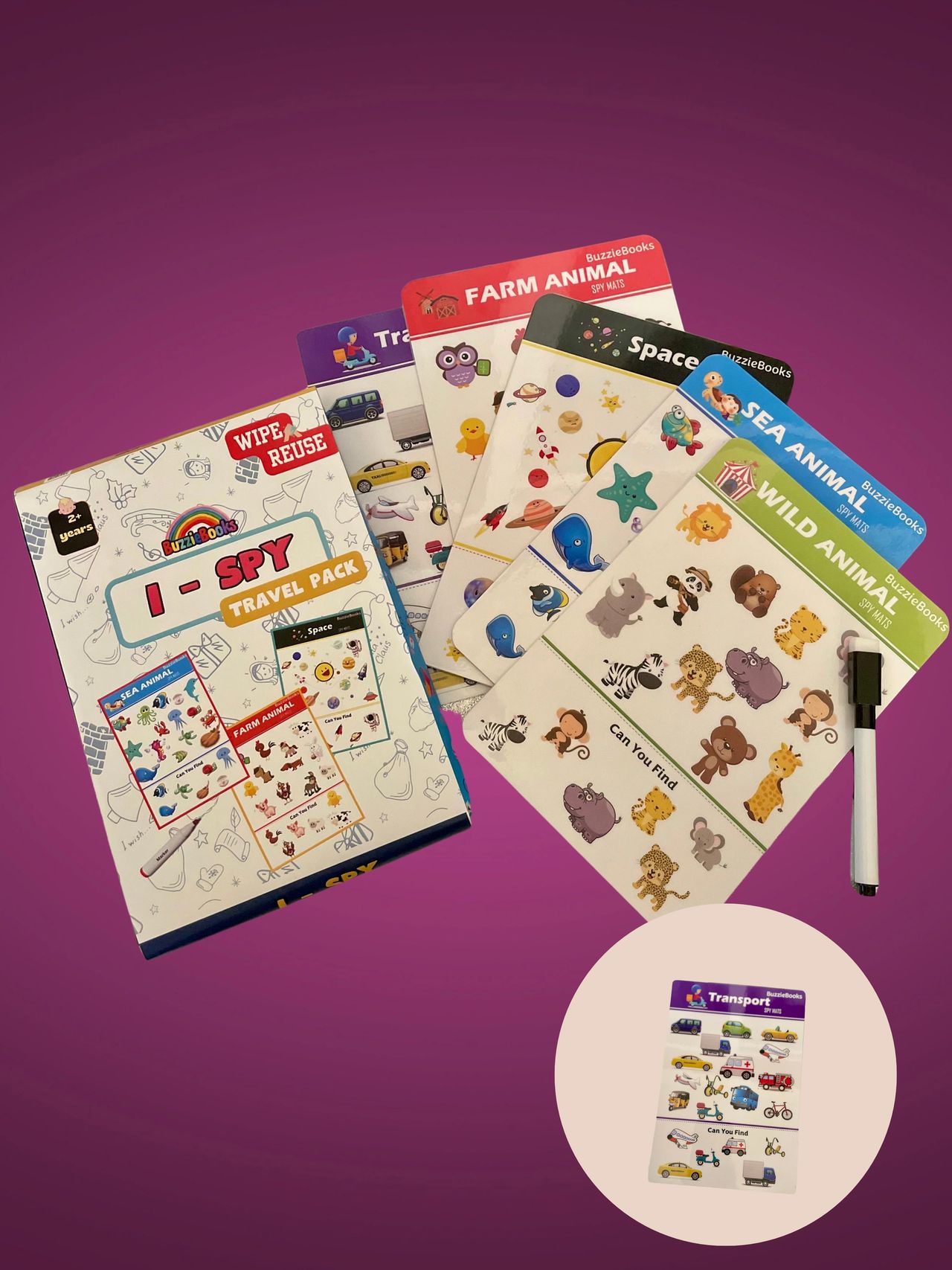
2. Emotional Regulation: Many brain development games incorporate elements of emotional regulation and empathy, teaching children how to understand and manage their feelings. By engaging with characters and narratives, children learn to navigate complex social situations and develop a deeper sense of self-awareness.
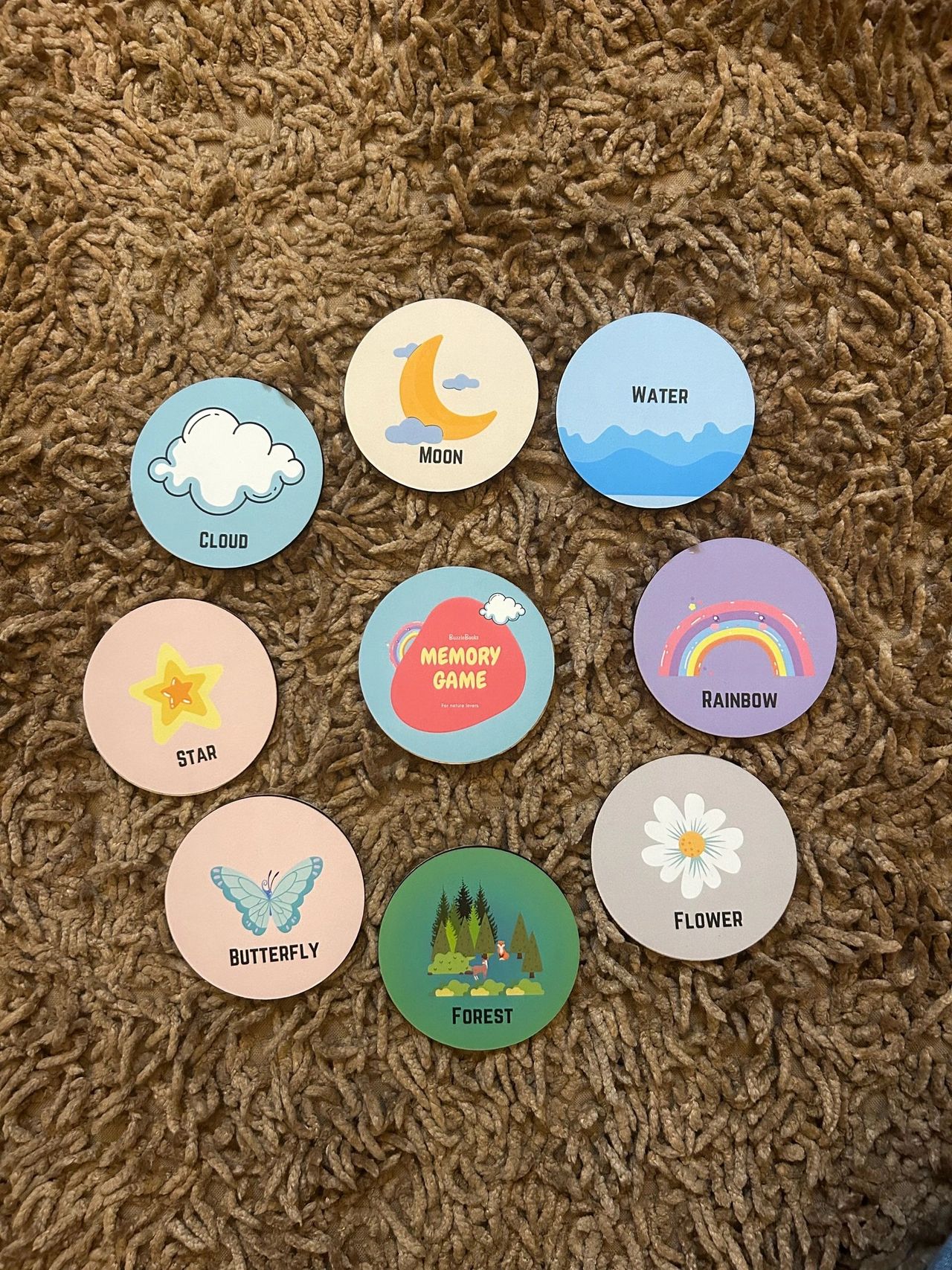
3. Social Interaction: Certain brain development games, especially those designed for group play, promote social interaction and collaboration. Whether it's solving a puzzle together or competing in a friendly game, children learn important social skills such as communication, cooperation, and conflict resolution.
4. Lifelong Learning Habits: By introducing children to the joy of learning through play, brain development games instill a lifelong curiosity and thirst for knowledge. These games cultivate a positive attitude towards learning, encouraging children to seek out challenges and explore new ideas independently.
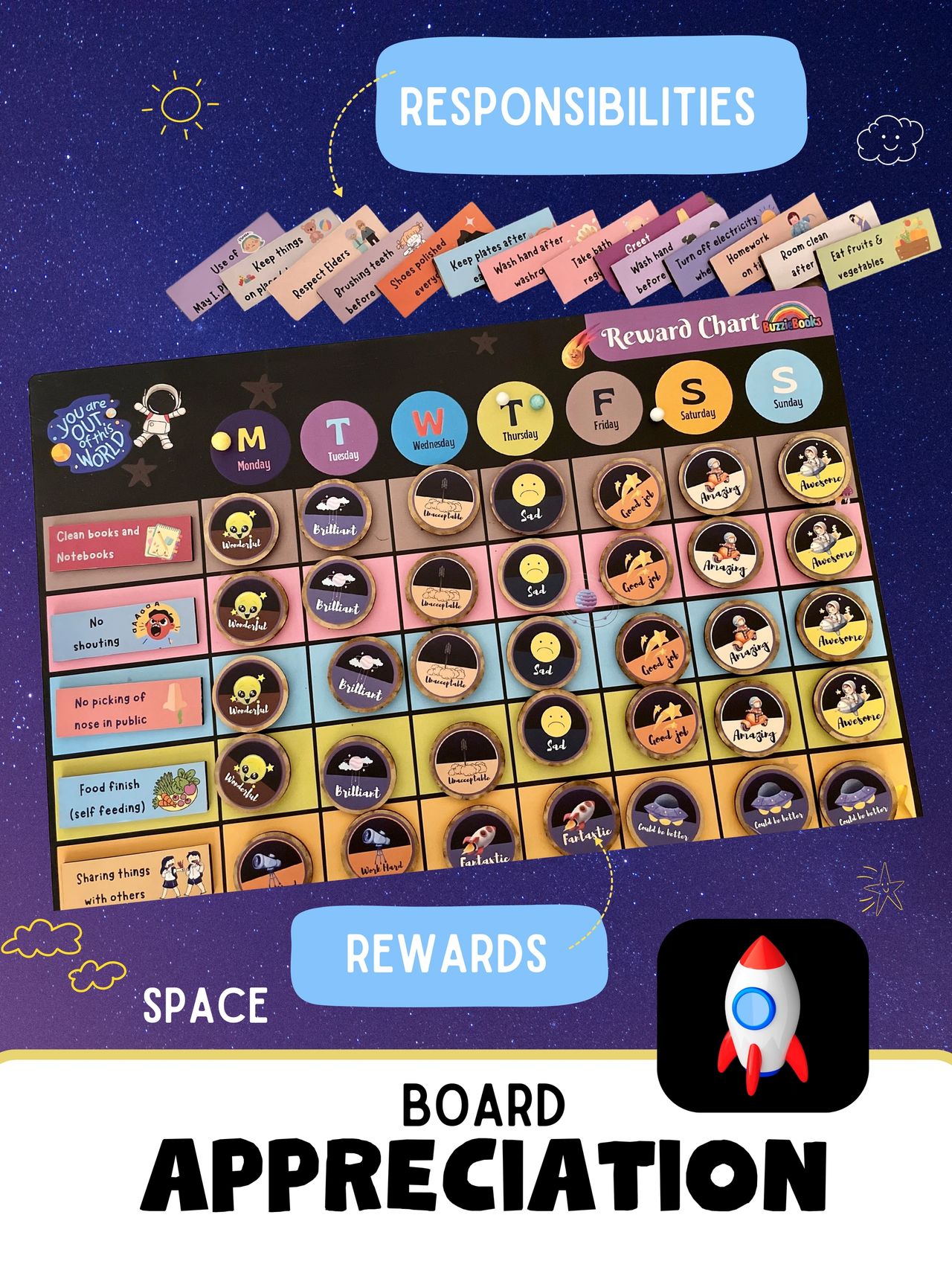
Incorporating Brain Development Games into Everyday Life:
Parents, caregivers, and educators play a pivotal role in fostering brain development through games and activities. By integrating brain development games into daily routines, such as during playtime or as part of structured learning activities, adults can provide children with enriching experiences that support their cognitive and emotional growth.
In a world overflowing with distractions, the importance of brain development games in childhood cannot be overstated. These games offer more than just entertainment; they serve as powerful tools for shaping young minds and preparing them for the complexities of the world. By embracing the playful spirit of learning, we can unleash the full potential of every child and pave the way for a brighter, more resilient future.